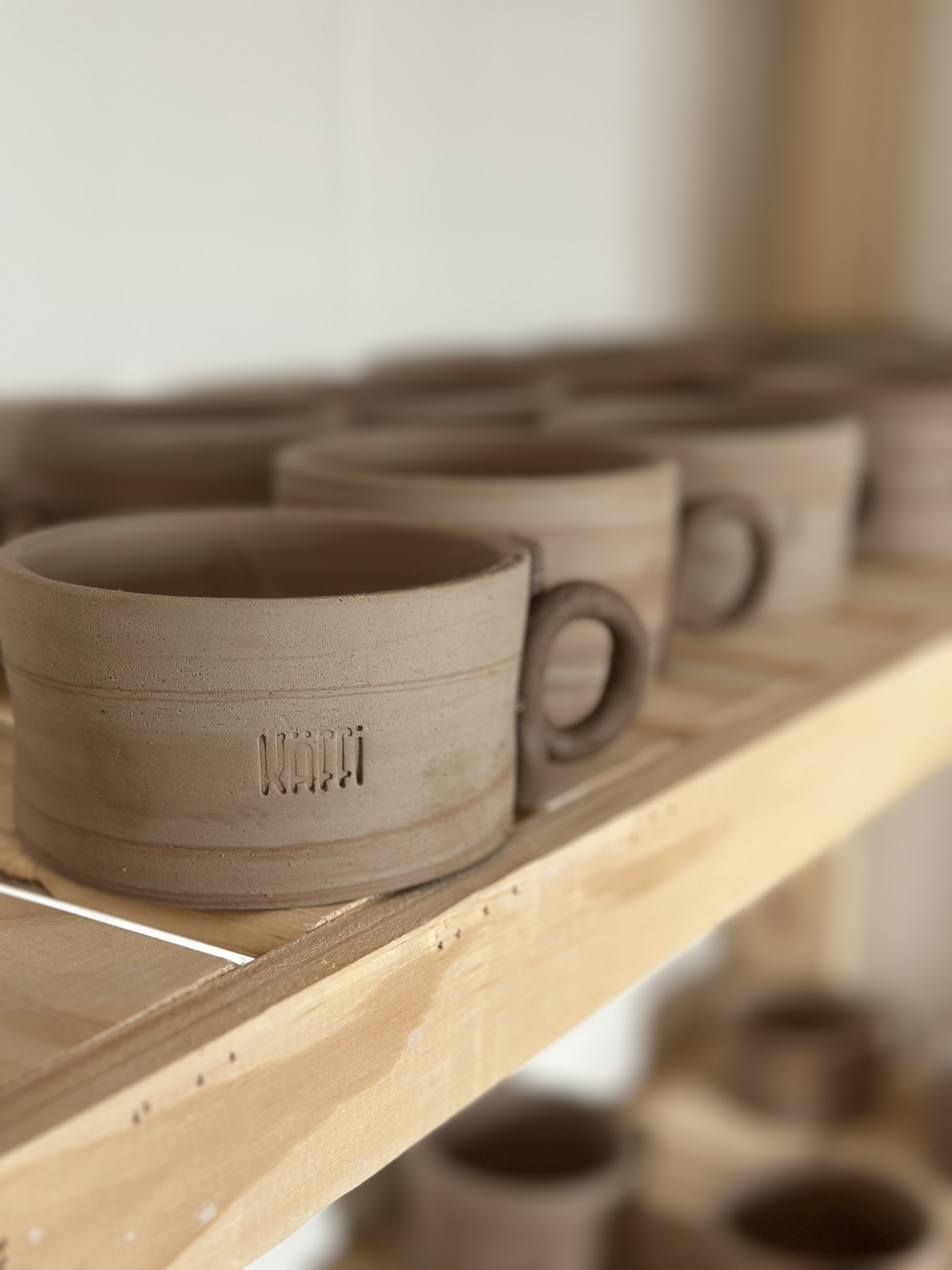
I started Greytà Studio in October 2025, betting on a gap I kept noticing: stoneware had become visible in specialty cafés and homes, but most of what was available was either traditional artisan pottery — beautiful, inconsistent, expensive — or mass-produced tableware with no real identity. The middle ground was thin. Handmade pieces with a defined aesthetic, priced for everyday use, sold direct — that space felt open. I wanted to build inside it.
The quiet launch
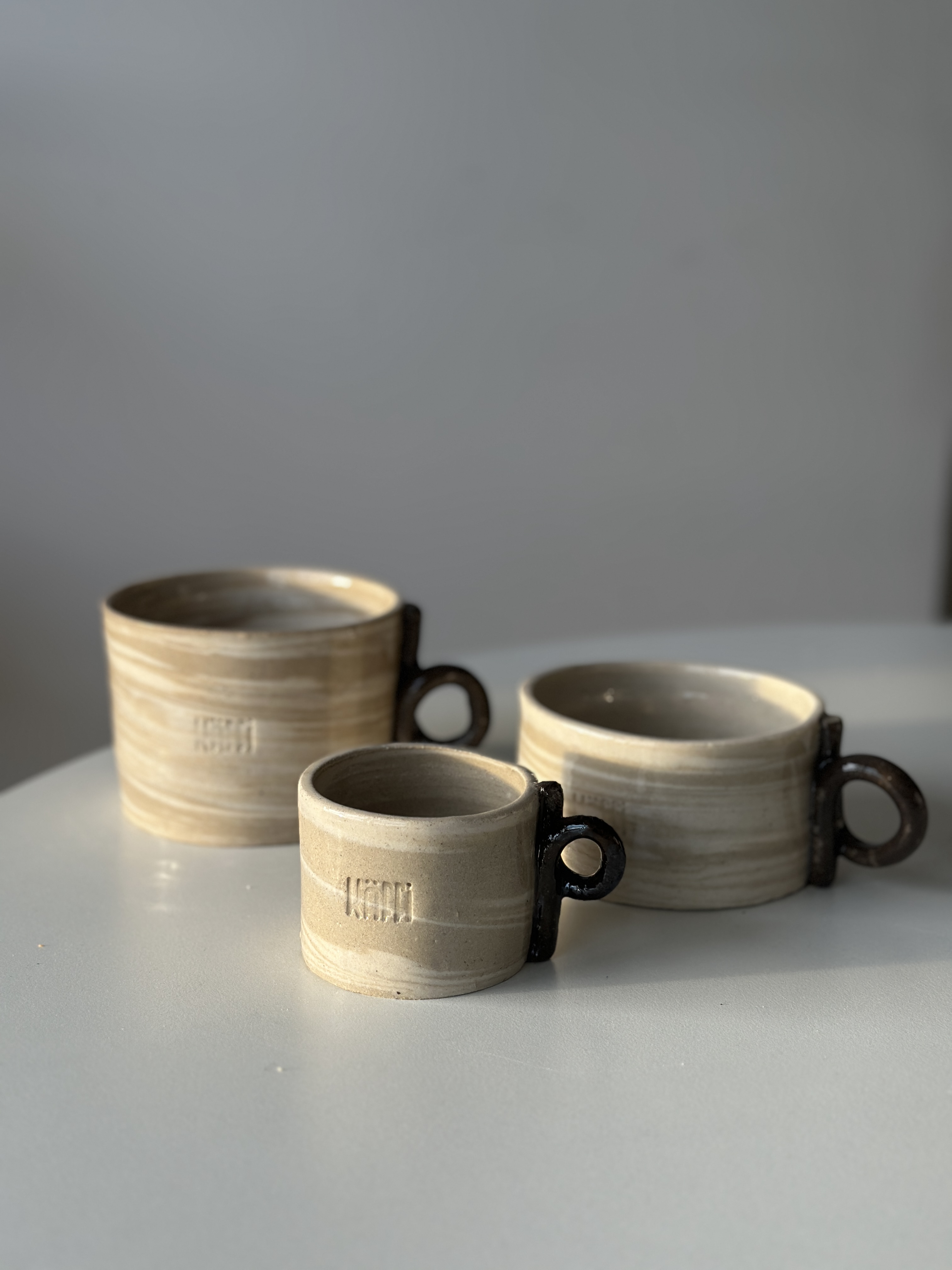
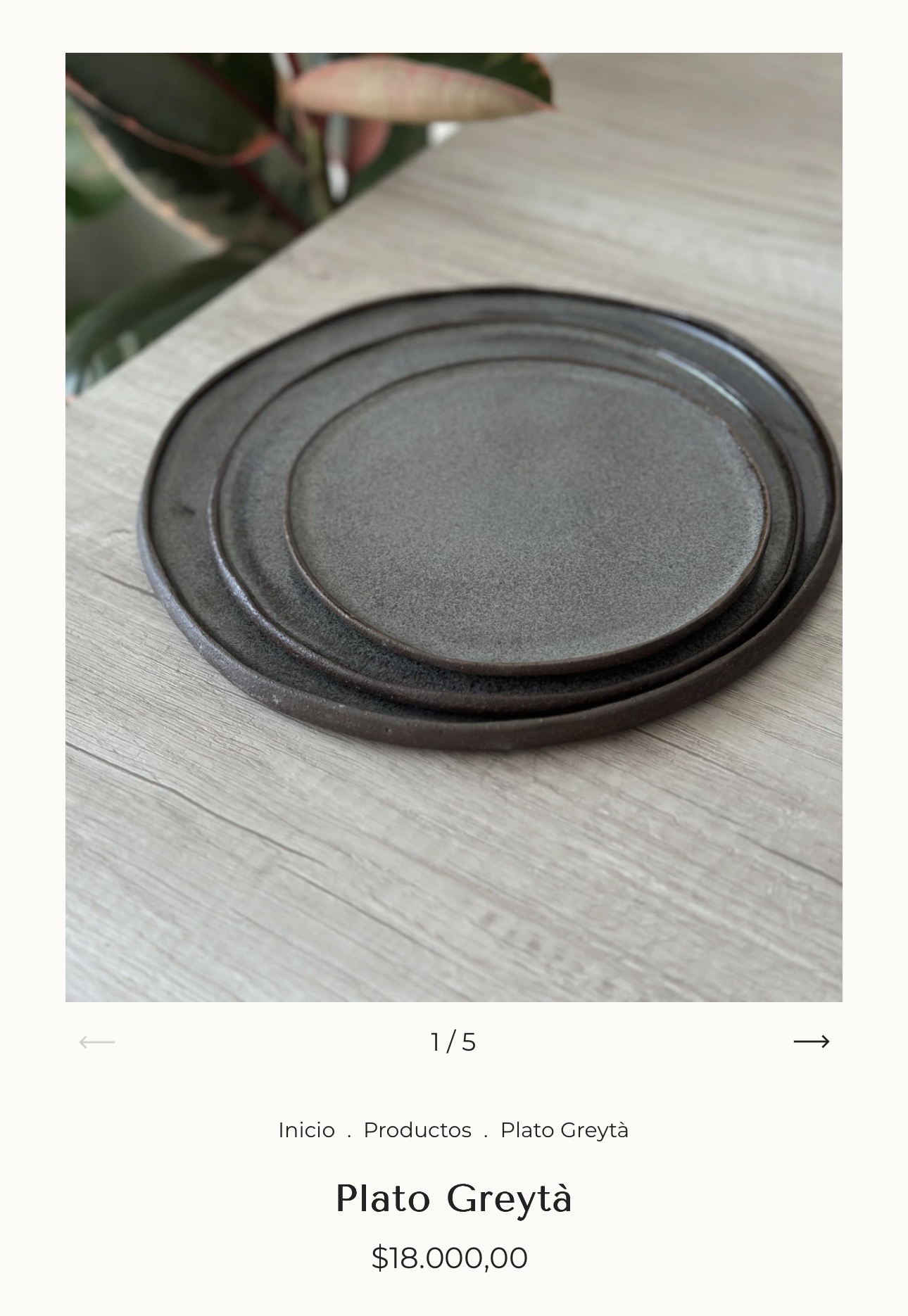
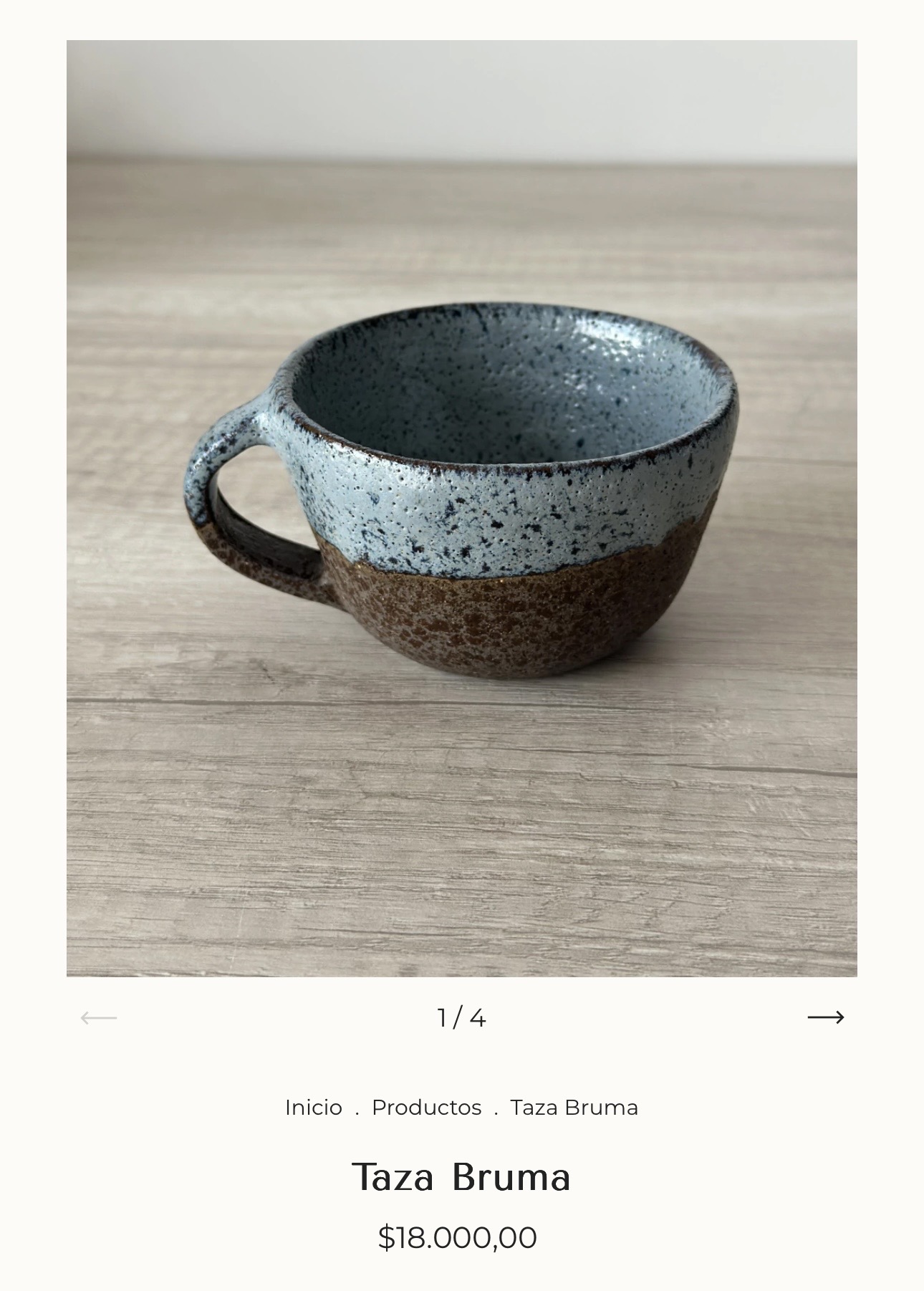
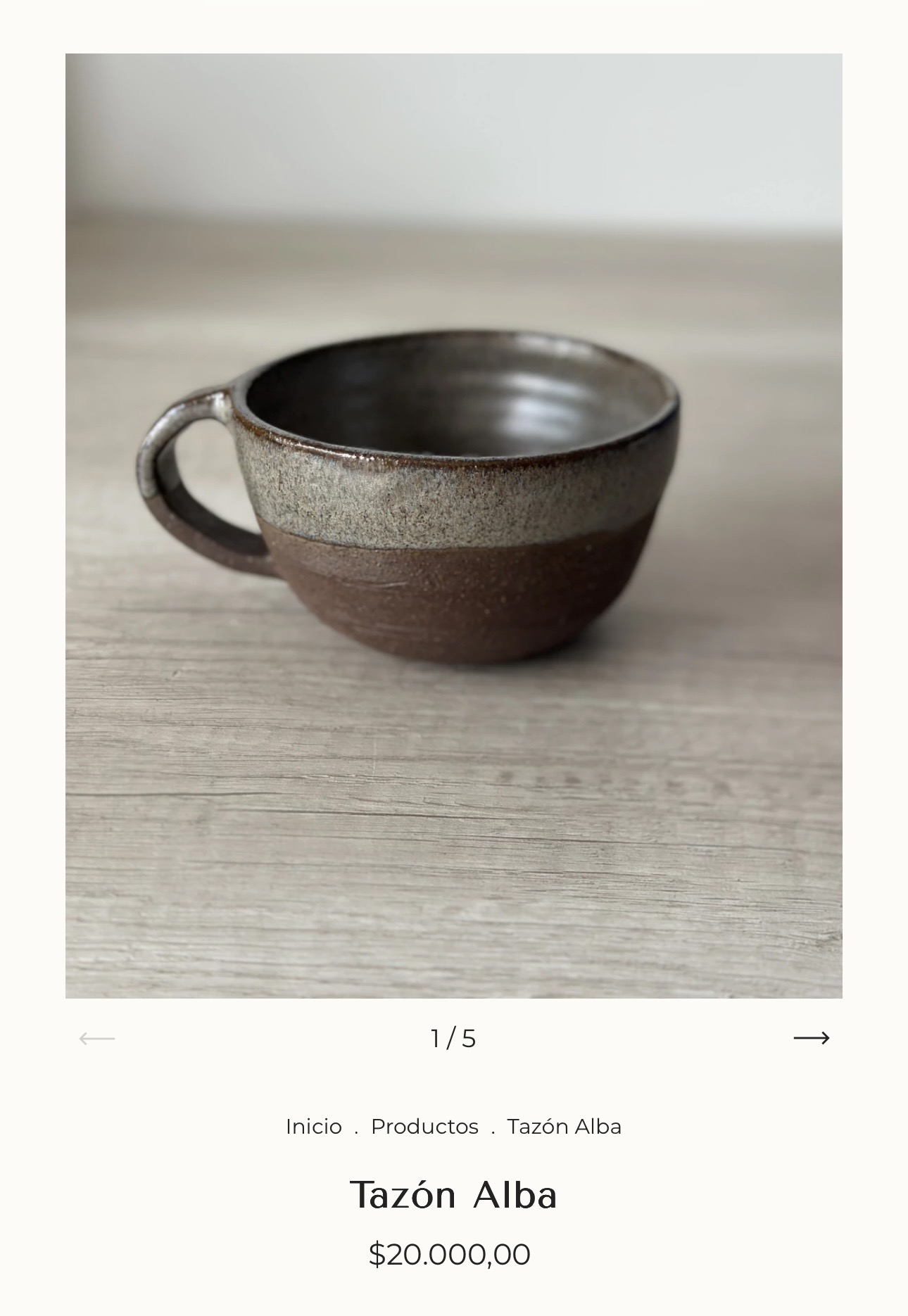
The first catalog was small and systematic: three core pieces — Plato Greytà, Taza Bruma, Tazón Alba — each in a curated palette of glazes, with the plate available in three sizes. The pieces were well-designed, visually coherent, and built around a tagline of calm and the everyday.
Between October and mid-December, I sold five pieces. Most went to people who already knew me. The launch was clean. The product was fine. The catalog just wasn't loud enough — I had designed the most cautious version of my own taste, and the market wasn't asking for cautious. The specialty café buyers and design-conscious consumers I was targeting weren't looking for restrained. They were looking for pieces with a point of view.
The pivot
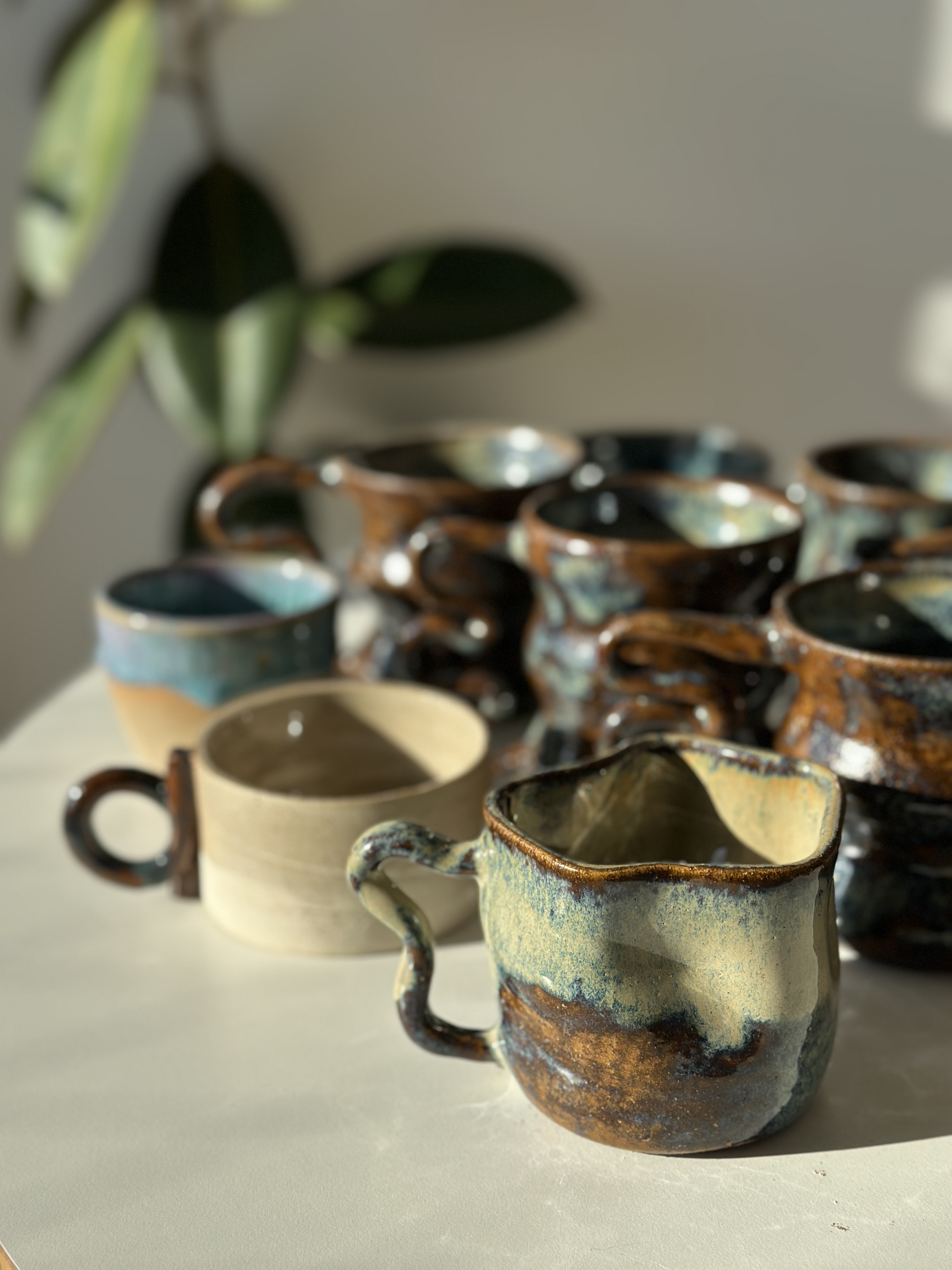
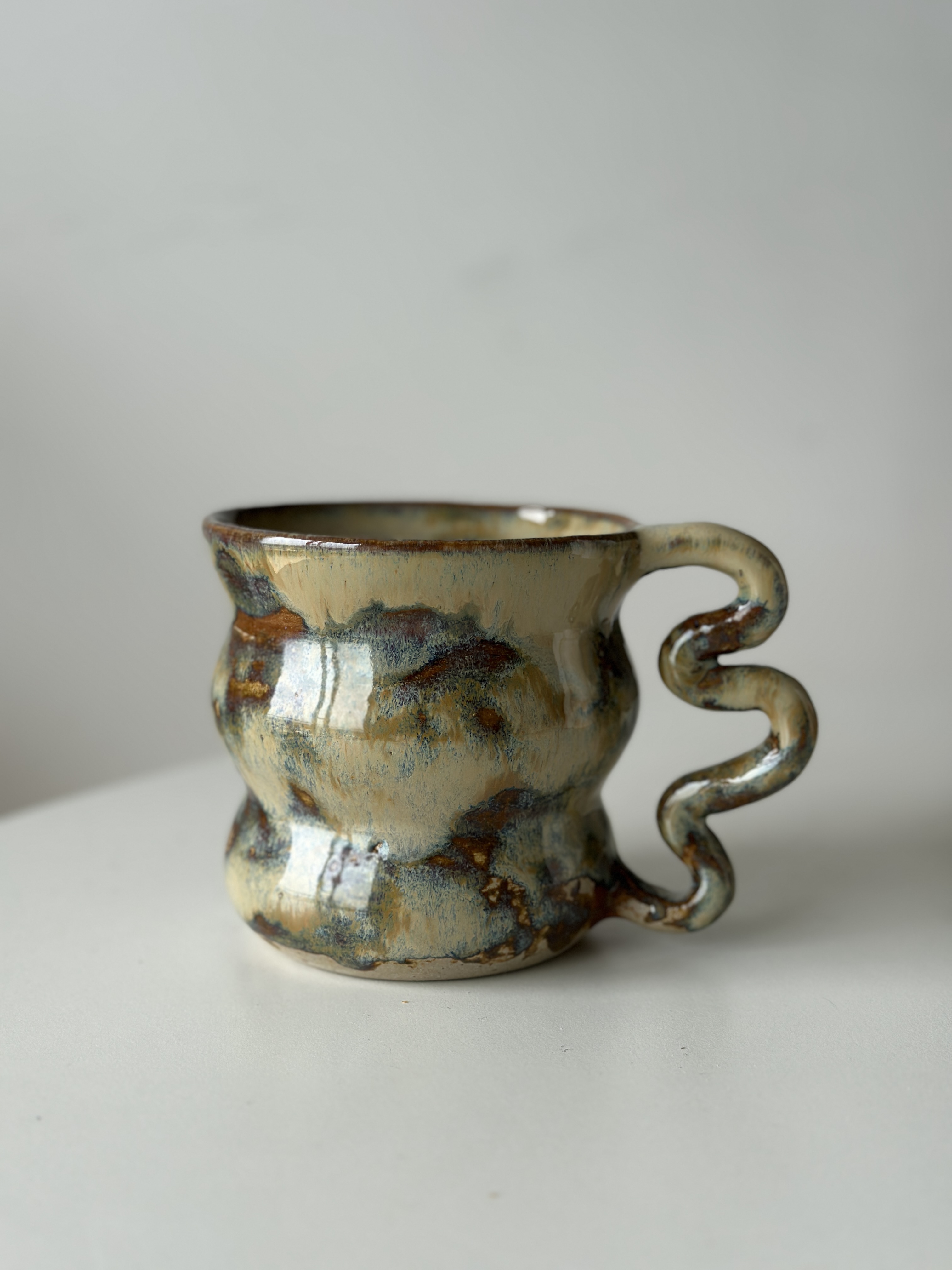
In mid-December I started designing pieces I wouldn't have made before. Bolder forms, glazes I had been avoiding, handles that broke my own rules. The direction came partly from watching what was moving in specialty café contexts — what people were photographing, sharing, seeking — and partly from letting production constraints lead. Some forms only worked with certain glazes. Some handles only made sense at a certain wall thickness. I followed what the material and the market were both pointing toward.
Flux, Loop, Mar, Halo, and Eco followed.
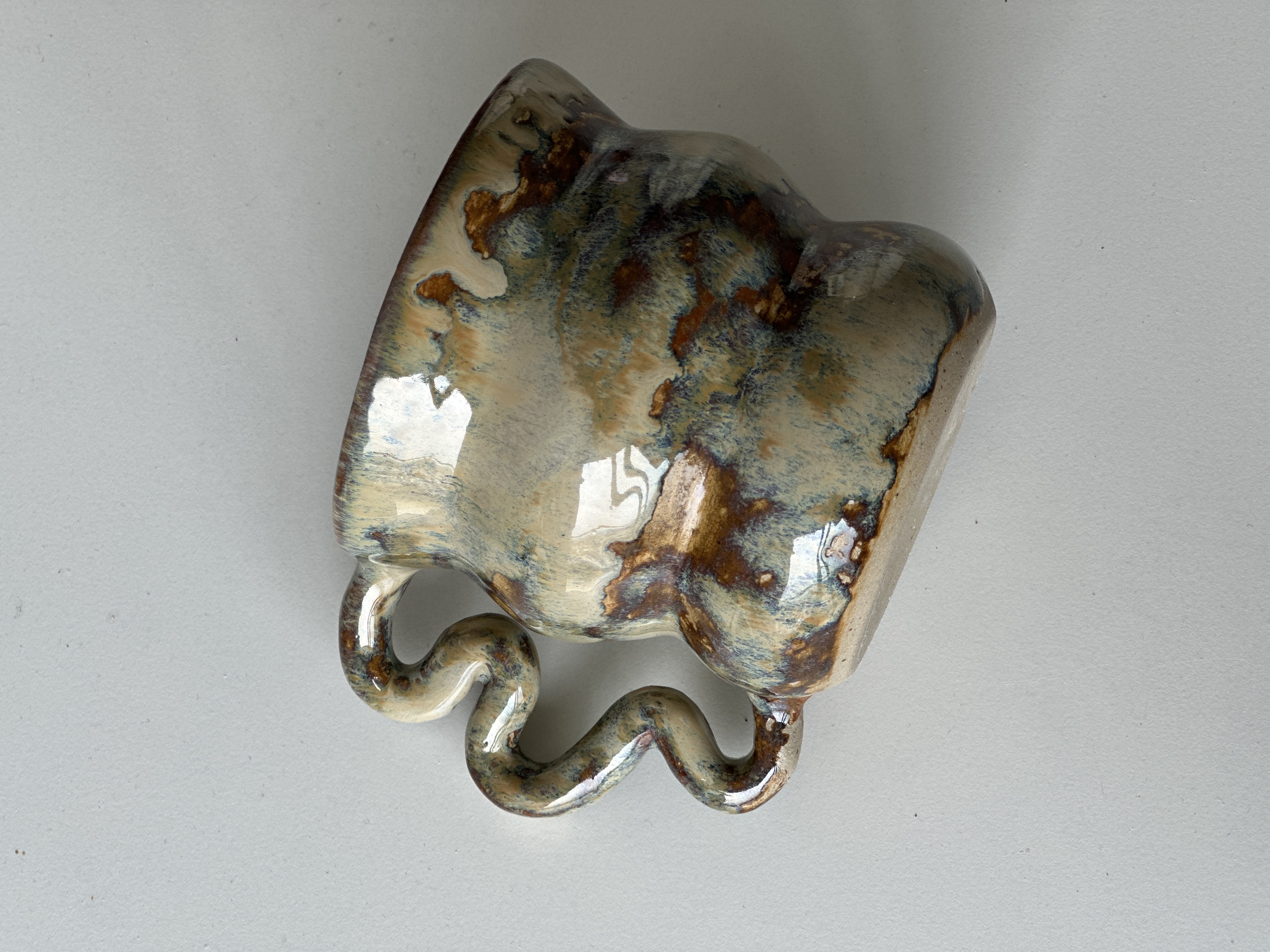
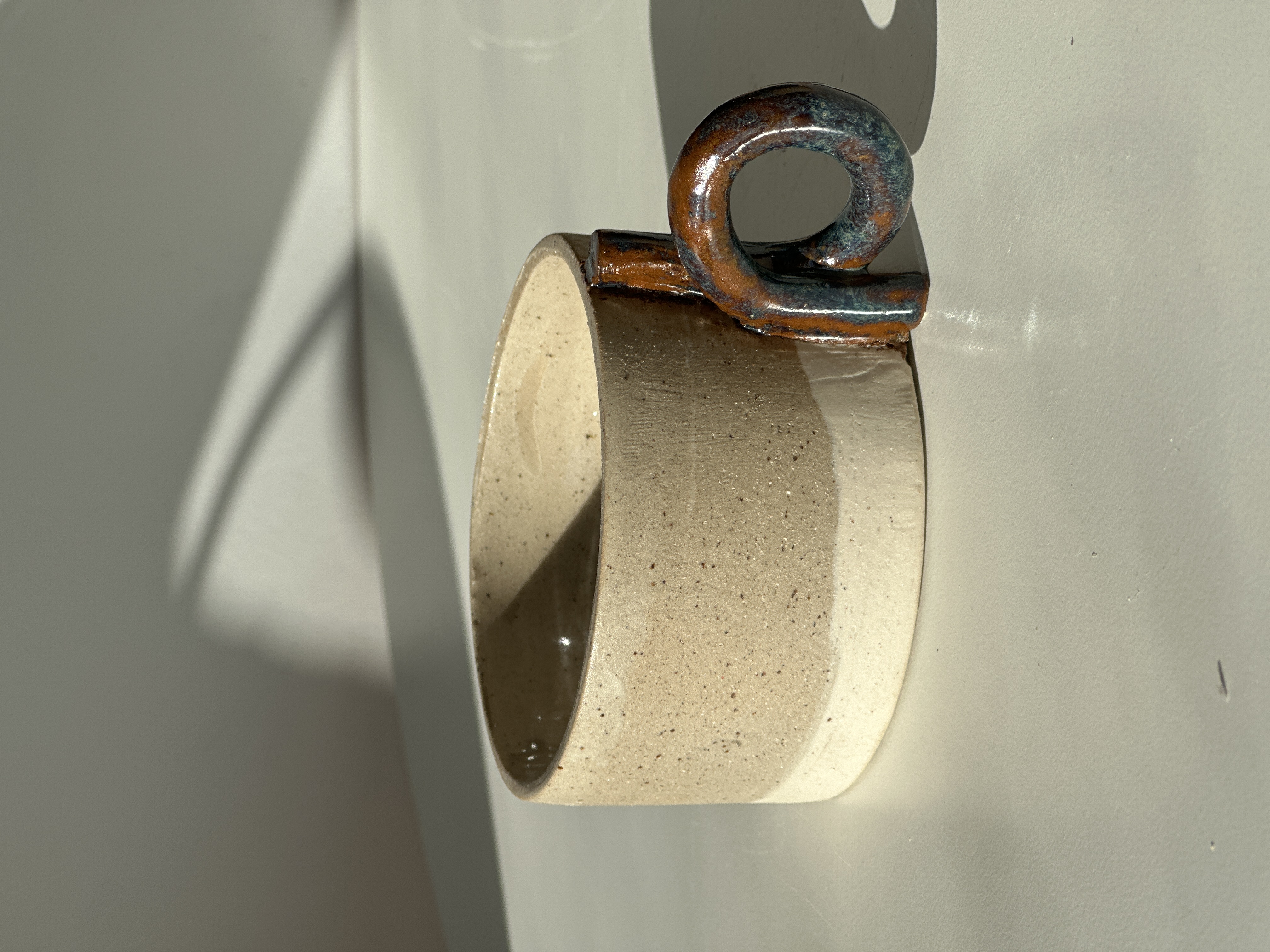
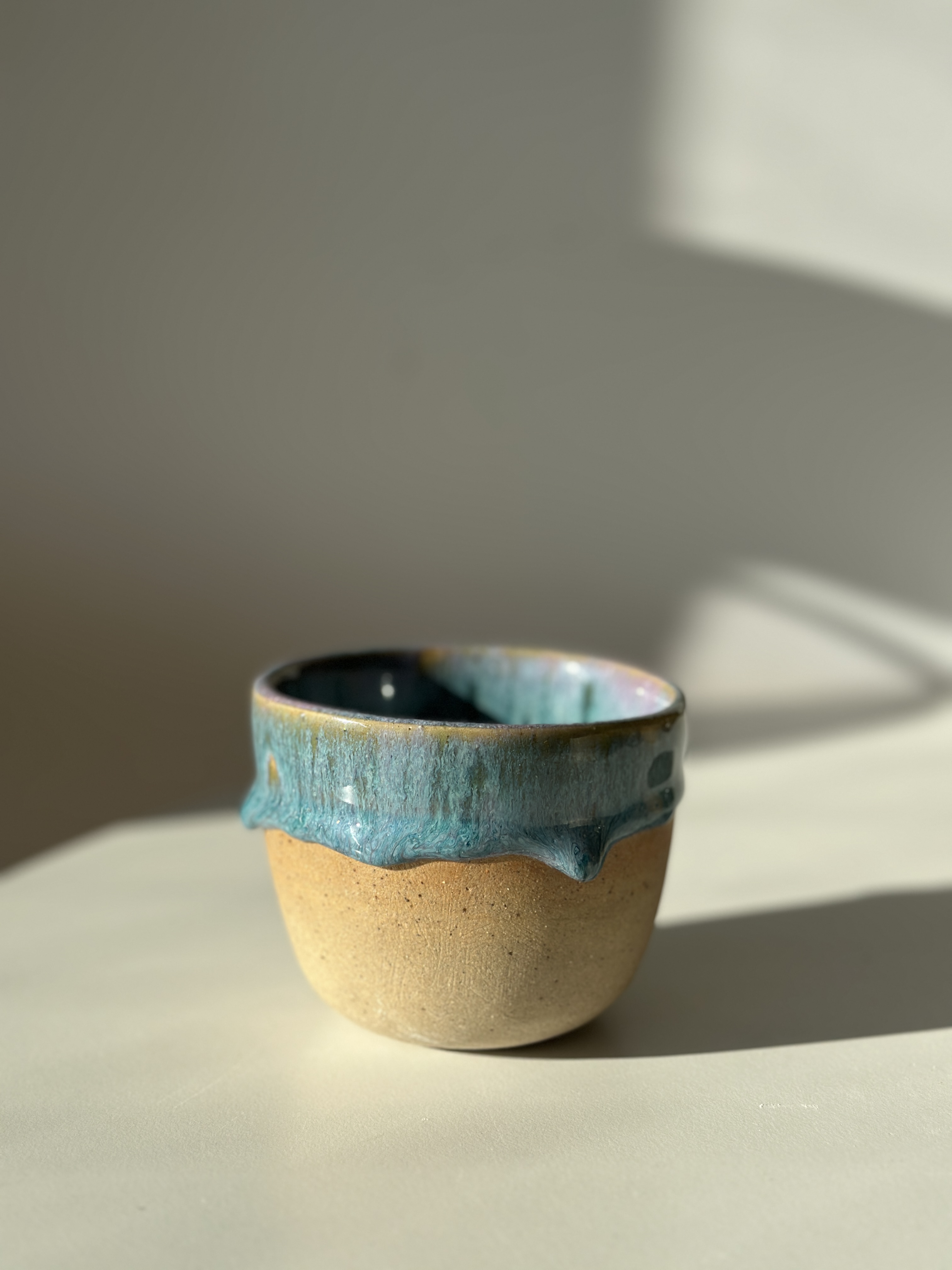
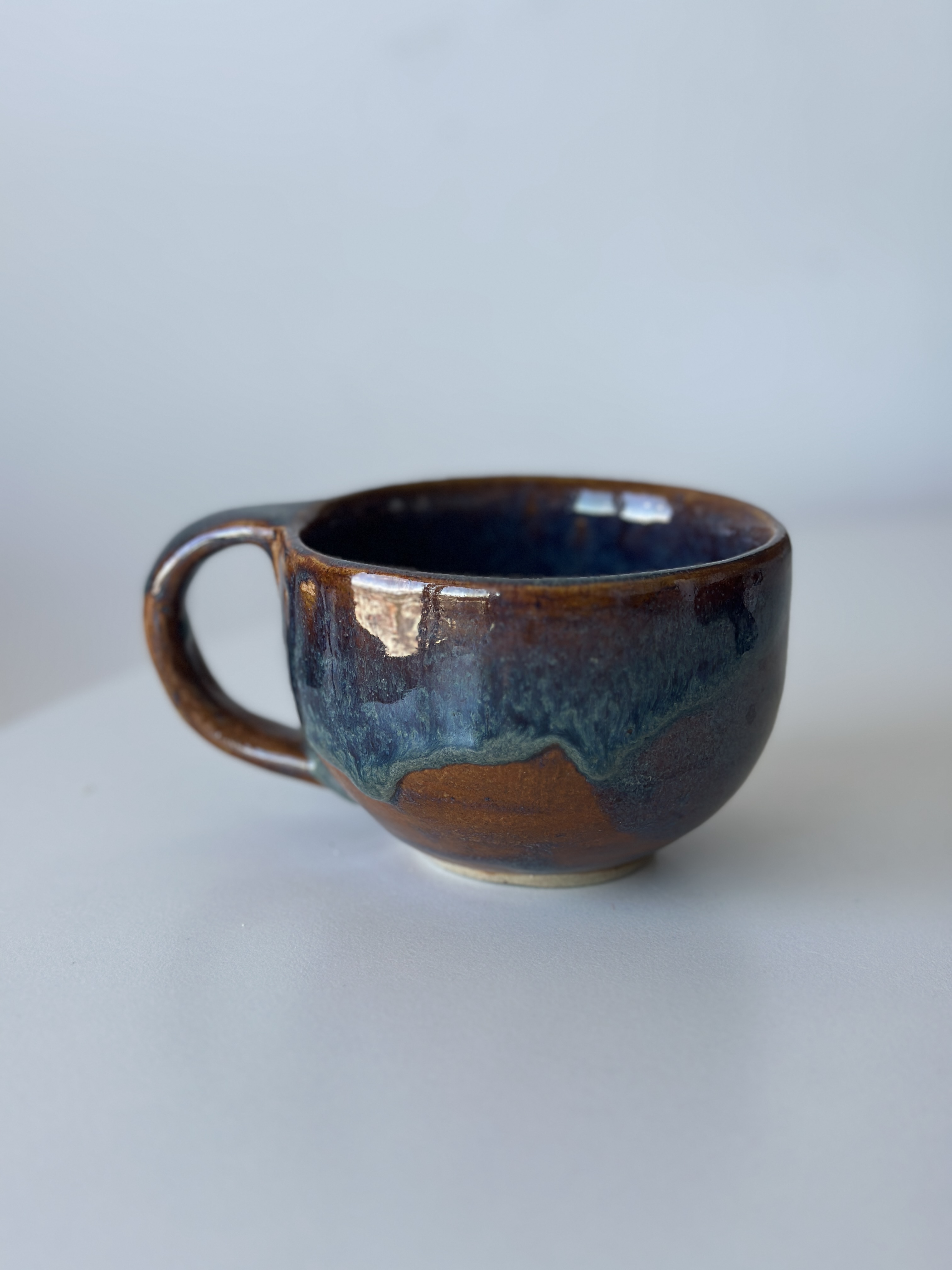
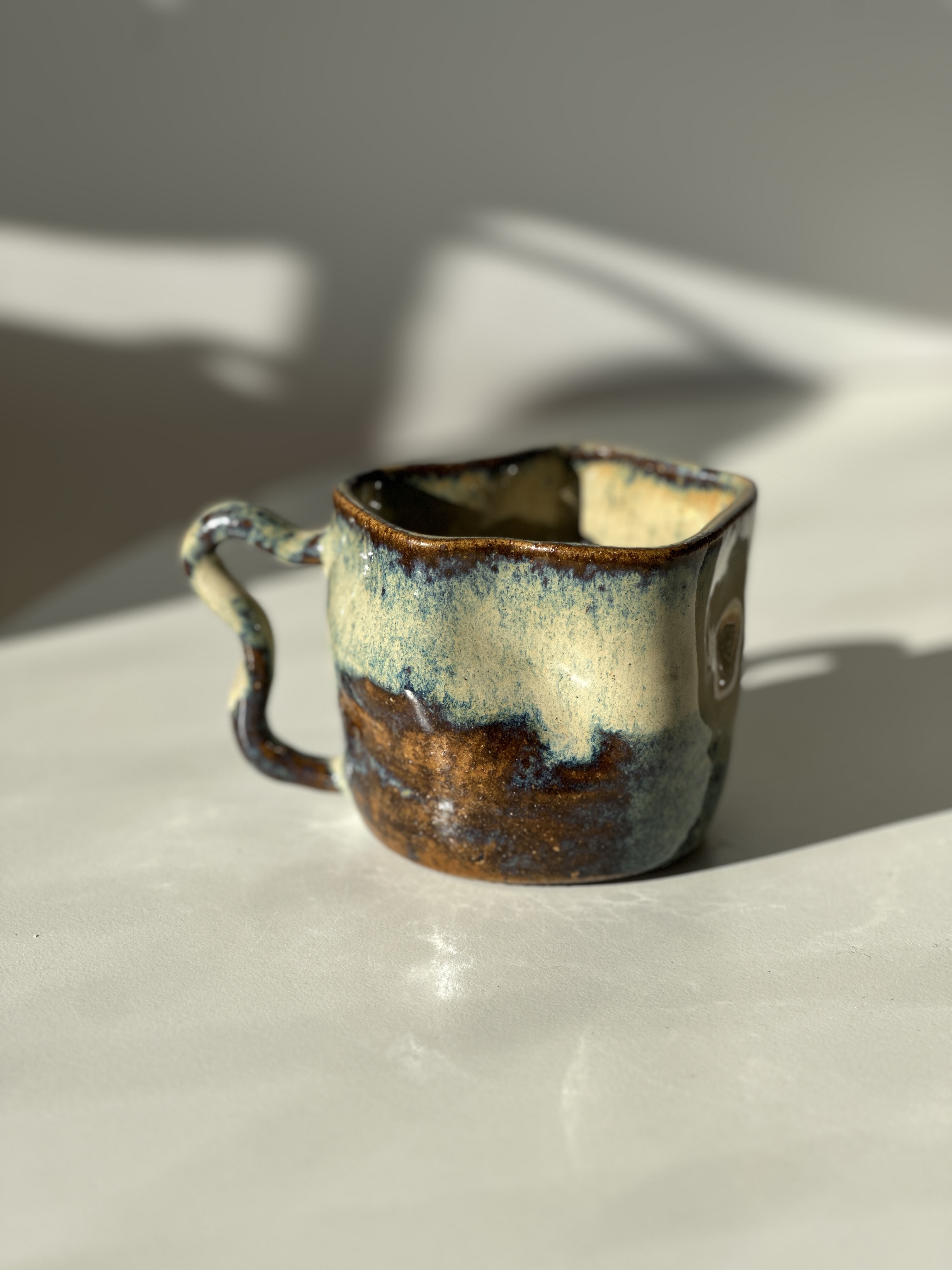
Between mid-December and March, I sold 44 pieces — almost 9× the original catalog in the same window. Eco sold out in its first run. So I did the next thing:
I pulled the original catalog from the store.
Not because the pieces were bad, but because keeping them on the shelf was competing for attention with what was actually working. I rewrote the brand around the new direction. The tagline became "Lo cotidiano, con carácter" — the everyday, with character.